SINCE 1951
THREE GENERATIONS, ONE UNCHANGED PROCESS.
Three generations tended the barrels. The fourth carried them across the sea.
The origin
The legend of Mười Khôn.
In 1939, a young man named Phạm Văn Khôn went to work as a hired hand for a fishing family on the southwest coast of Việt Nam. He owned nothing. But he was known for two things — diligence and honesty — and the family’s daughter noticed both. They married. He went to sea.
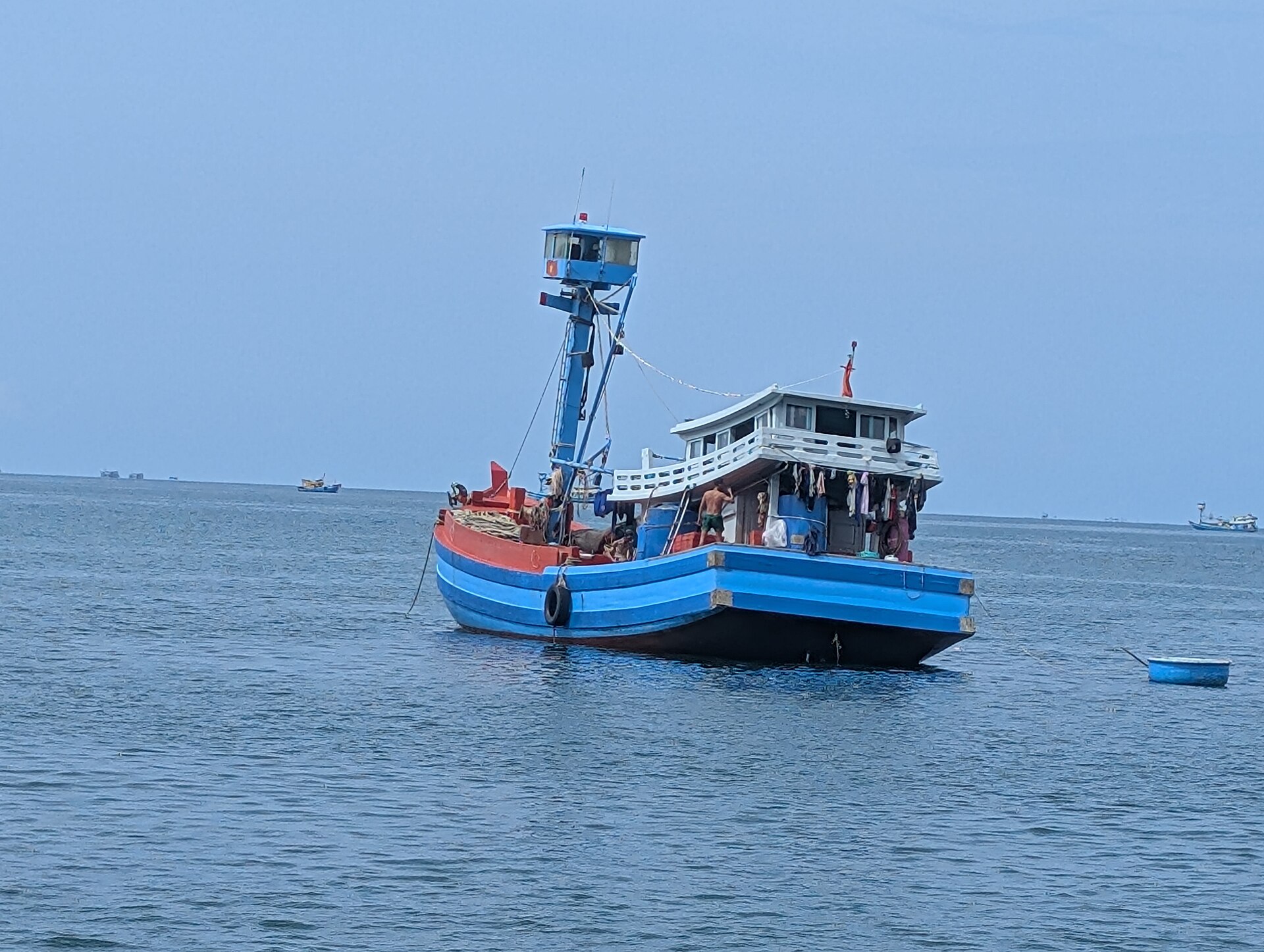
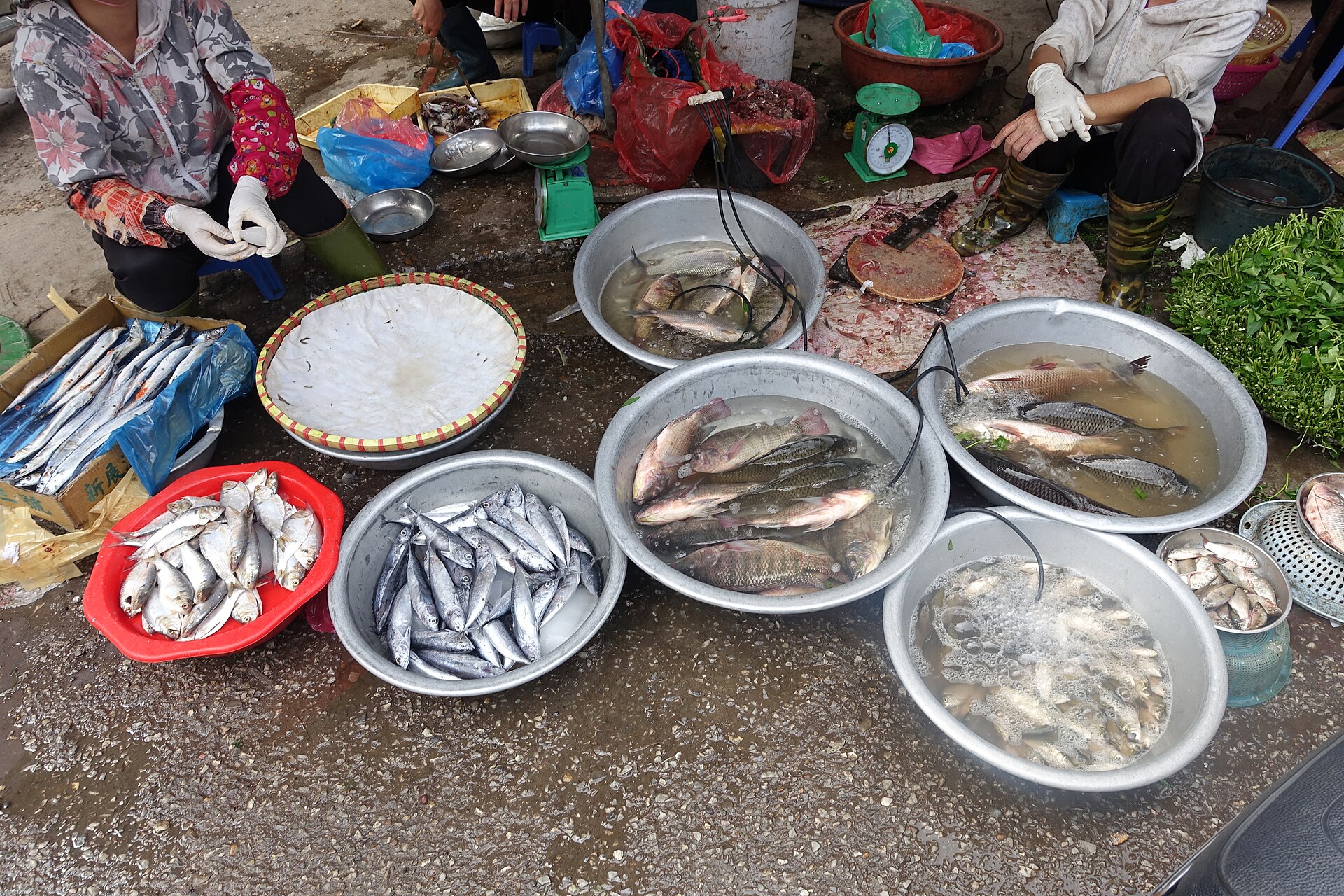
Out on the water he found the thing that would hold his whole life: the salt air, the silver flash of cá cơm — the black anchovy — running thick in the Gulf. In 1951, with his eldest son Phạm Văn Ngoạn beside him, he cut down the jackfruit tree in front of the house and built the family’s first fermentation barrel with his own hands.
The sauce from that barrel changed everything. Neighbors came back with empty bottles. Khôn took every đồng he had and bought land on a deserted stretch of coast, where the sea wind, mountain dew and equatorial heat make a climate barrels love. His barrel house grew until it was the main livelihood there, and the near-empty shore became a village. People began calling him Chúa Đảo — Lord of the Island.
Mười Khôn passed in 2004. Phạm Văn Ngoạn — the son who helped fell the jackfruit tree — still goes out for anchovies today. And in 2014, the family’s great-granddaughter Albee and her husband Danny Trần carried the sauce to California, one hand-delivered case at a time, founding Son Foods Inc in 2021 so that a barrel built from a jackfruit tree could reach your table.
The years
From a jackfruit tree to your table.
1939
A hired hand goes to sea
1951
The jackfruit-tree barrel
1960s
The barrel house takes shape
1996 · 2002 · 2004
Gold medals
Cần Thơ · Vũng Tàu · Hà Nội
Spelling pending label check
2014
The sauce reaches California
2021
Son Foods Inc, California
2022
Whole Foods shelves
TODAY
Nationwide at 99 Ranch & 168 Market
The process
Six steps. Two ingredients. One year.
THE CATCH
Wild American anchovies, netted in season, salted while the boat is still moving. Freshness is the first ingredient.
THE RATIO
73% American anchovies, 26% sea salt, jam-pressed into the barrel. Two core ingredients; the barrel does the rest.
THE BARREL
Up to 14 tons per wooden barrel. Wood breathes; steel doesn’t.
THE YEAR
12 months of island weather: sea wind, mountain dew, equatorial heat. We open a barrel only when it’s ready — then bottle at once.
THE FIRST DROP
Nước mắm nhĩ: the first press, dripping drop by drop. A year of island weather, gathered one drop at a time.
THE BOTTLE
The first press goes straight to the bottle. Untouched, undiluted, a golden shimmer.
Maker’s voice
“Fish sauce is more than a product. It’s a staple in every Vietnamese household — a symbol of home.”
“We may not have the deep pockets of large corporations. But we’re grounded in something deeper — people over profit.”
The man who helped build the first barrel in 1951 still harvests anchovies at sea today.
Regional heritage
One coast, three great traditions.
Việt Nam’s coast holds three great fish-sauce traditions — Phú Quốc (the first Southeast Asian food to earn an EU Protected Designation of Origin, 2012), Phan Thiết, and Nha Trang.
PHÚ QUỐC
EU PDO · 2012
The first Southeast Asian food to earn an EU Protected Designation of Origin.
PHAN THIẾT
One of the coast’s three great fish-sauce traditions.
NHA TRANG
One of the coast’s three great fish-sauce traditions.